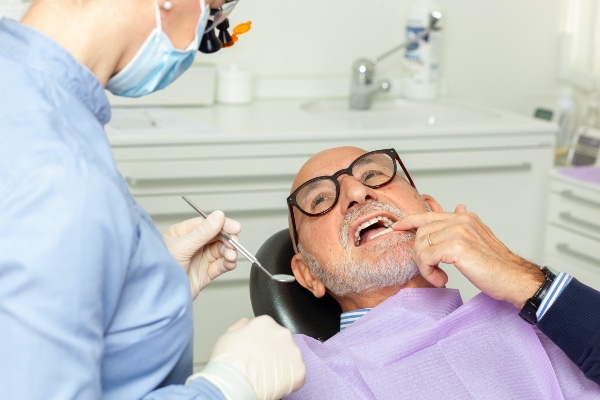
 A dental checkup is a major part of your dental health. Seeing your dentist regularly can prevent serious dental issues. It can also remove plaque and tartar. Knowing what happens during the treatment can help prepare you for your next appointment. Here are the details about how each dental checkup removes tartar and plaque.
A physical dental exam
The dental checkup will begin with a physical assessment of the mouth. A small mirror will help the dentist to check around the gums and teeth for signs of possible issues. Searching for plaque and tartar deposits will determine where the scaler will focus. Using a sulcus will tell the dentist how deep the gum pockets are. Deep sulci means that the plaque and tartar have already fit underneath the gums. Periodontal disease may already be present.
Removing tartar and plaque
The process uses a small mirror to guide the dentist in operating a scaler. This instrument can remove the plaque and tartar along the gumline and between the teeth. The patient will hear a scraping sound, which is normal. The scaler will run during the dental checkup if there is tartar to remove. At home, the patient can stop plaque from hardening into tartar by flossing and brushing more frequently.
Cleaning with gritty toothpaste
Stripping the teeth of plaque and tartar frees the teeth of bacteria. During the dental checkup, the dentist will use a powerful electric brush to remove any remaining plaque and tartar. This instrument will deep clean the teeth using a gritty toothpaste. The gritty consistency scrubs the teeth. Studies show that this twice-a-year thorough cleaning is healthy for the enamel.
Professional flossing and rinsing
This form of flossing during a dental checkup cleans between teeth. The process will remove excess toothpaste and plaque. Professional flossing also spots gum or tooth issues, such as gum bleeding. The dentist can share some valuable tips on how to floss at home to prevent this type of issue. Rinsing out with a fluoride mouthwash removes any debris and leave a layer of protection in the mouth.
Scraping
Getting rid of tartar will involve using a specific dental tool. This small tool has a pointed end that can be curved. It allows the dentist to clean around the curved dental surfaces. The patient will hear some grinding or scraping once the tool meets tartar deposits. There might be some bleeding or sensitivity if the tartar deposits are close to the gumline. These are normal reactions to removing dental calculus in difficult-to-reach areas.
Root scaling
Tartar deposits can extend below the gum surface if the individual does not brush often. This development also happens when the individual does not keep regular dental checkup appointments. Removing dental calculus can prevent infection in the soft tissues or teeth. This process is called root scaling. Numbing the area is necessary to relieve the discomfort of cleaning around the dental roots.
Removing plaque and tartar is necessary during a dental checkup
One of the goals of a dental checkup is to ensure that the teeth and gums are healthy. That is why the dentist will remove plaque and tartar thoroughly. The process leaves the mouth fresh and clean. Working with your dentist will enable you to enjoy a bright and healthy smile.
Request an appointment or call Alpharetta Dental Associates at 770-343-3209 for an appointment in our Alpharetta office.
Related Posts
Many people overlook the importance of dental checkups and only visit the dentist's office when experiencing oral health issues. However, these appointments are vital in preventing issues and diagnosing potential problems in their early stages. Whether you have skipped your biannual visits due to a busy schedule or are nervous about receiving professional dental care,…
For many adults, dental checkups have become routine appointments that hardly get a second thought. For many children, however, these appointments can seem scary because they do not know much about them. Therefore, educating your child about what to expect can make them feel more comfortable — and sometimes even excited — about their first…
Seeing your dentist for a dental checkup twice a year is the standard number of visits to follow. But your provider may recommend more frequent checkups if you need them. Knowing why these visits are important can help you understand the value of seeing your dentist. Here are the crucial points to consider when planning…